The Cheapest Energy Savings Are Already in Your Building
Before you replace anything, tune what you have. Overridden schedules, drifting sensors, and stuck dampers quietly waste energy in buildings of every age. Here's what retrocommissioning finds, and what it takes to fix.
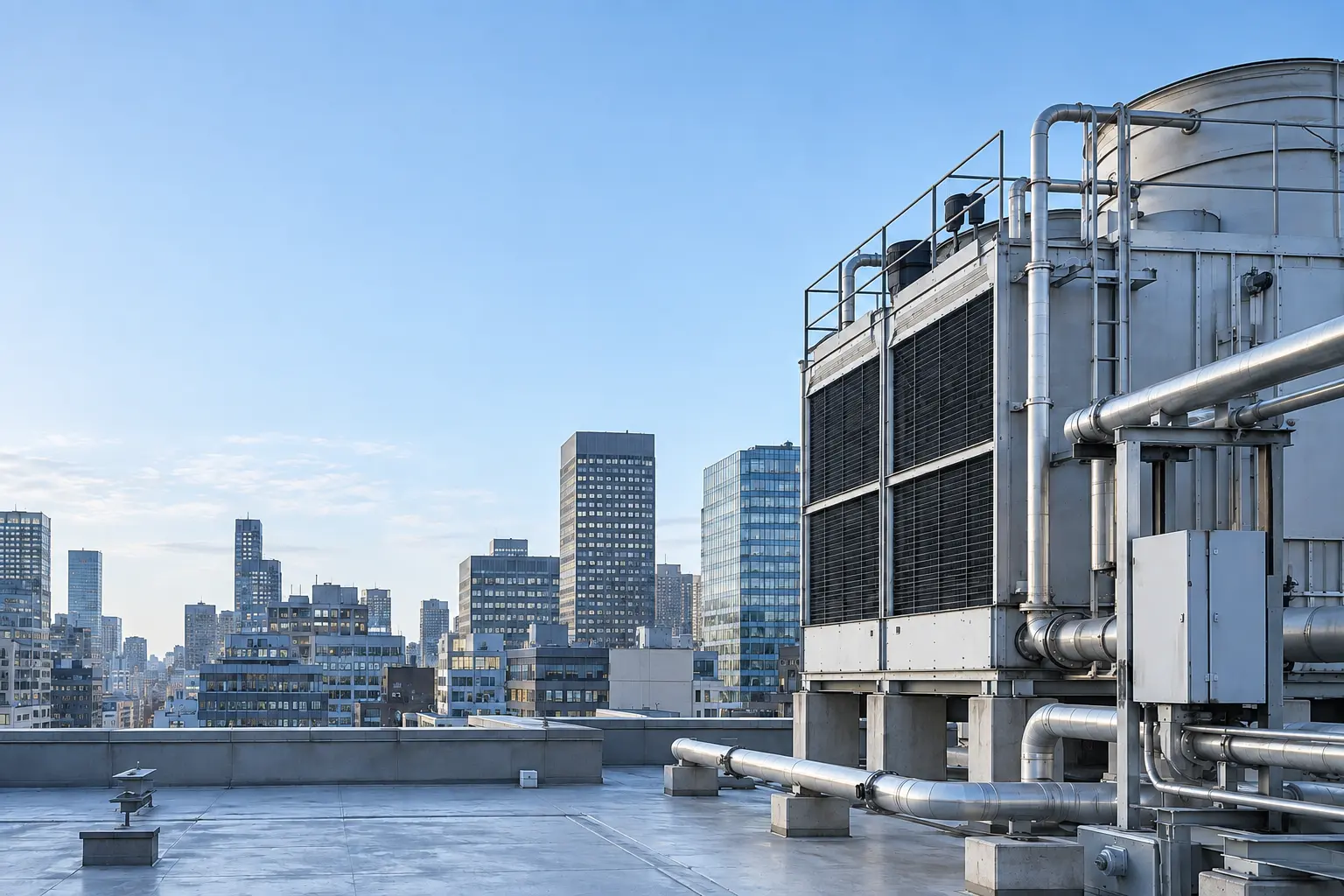
Most buildings do not waste energy because their equipment is old. They waste it because the equipment is no longer doing what it was set up to do. A schedule gets overridden during a heat wave and never restored. A sensor drifts two degrees. A damper actuator fails and the outside air damper stays open all winter. None of this sets off an alarm. It shows up on the utility bill.
What retrocommissioning is
Retrocommissioning (RCx) is a systematic check of how a building’s existing systems actually operate, compared with how they should operate for the way the building is used today. It does not start with new equipment. It starts with utility history, trend data from the building management system, functional tests, and time in the mechanical spaces with the people who run them.
In New York City, Local Law 87 requires buildings over 50,000 square feet to complete an energy audit and retrocommissioning once every ten years and file an Energy Efficiency Report with the Department of Buildings. Many owners treat it as a filing. Done well, it is the lowest-cost savings project the building will see that decade.
What we typically find
- Time-of-day schedules overridden to “occupied” around the clock, so fans and pumps run nights and weekends.
- Temperature, pressure and CO2 sensors out of calibration, driving equipment to the wrong setpoints.
- Simultaneous heating and cooling, where reheat coils fight supply air that is colder than it needs to be.
- Outside air dampers stuck open or closed, or economizer controls disabled.
- Variable frequency drives left running at full speed in hand mode instead of auto.
- Failed steam traps and leaking control valves on heating systems.
- Domestic hot water temperatures and recirculation pumps left on settings that waste energy.
What it costs and what it saves
Most fixes are labor: reprogramming controls, recalibrating sensors, repairing actuators, replacing traps. A widely cited Lawrence Berkeley National Laboratory study of commissioning in existing buildings found median whole-building energy savings of 16% with a simple payback of about 1.1 years. Results vary by building, but the pattern holds. Measures that cost little tend to pay back fast.
The savings also count toward Local Law 97. Every kilowatt-hour and therm you stop wasting lowers the emissions figure on your annual report.
How the process works
- Collect 24 months of utility bills and building management system trend data.
- Survey systems on site and interview the chief engineer and operating staff.
- Functionally test equipment and control sequences against design intent.
- Report each finding with its estimated cost, savings and simple payback.
- Implement fixes with your staff or contractors.
- Verify results against the baseline and train operators on every changed sequence.
Keeping the savings
Savings fade when the people who run the building were not part of the work. We write findings for the chief engineer as well as the owner, and we train operating staff on every sequence we change. A short annual check, comparing trend data against the post-RCx baseline, catches drift before it reaches the bill.